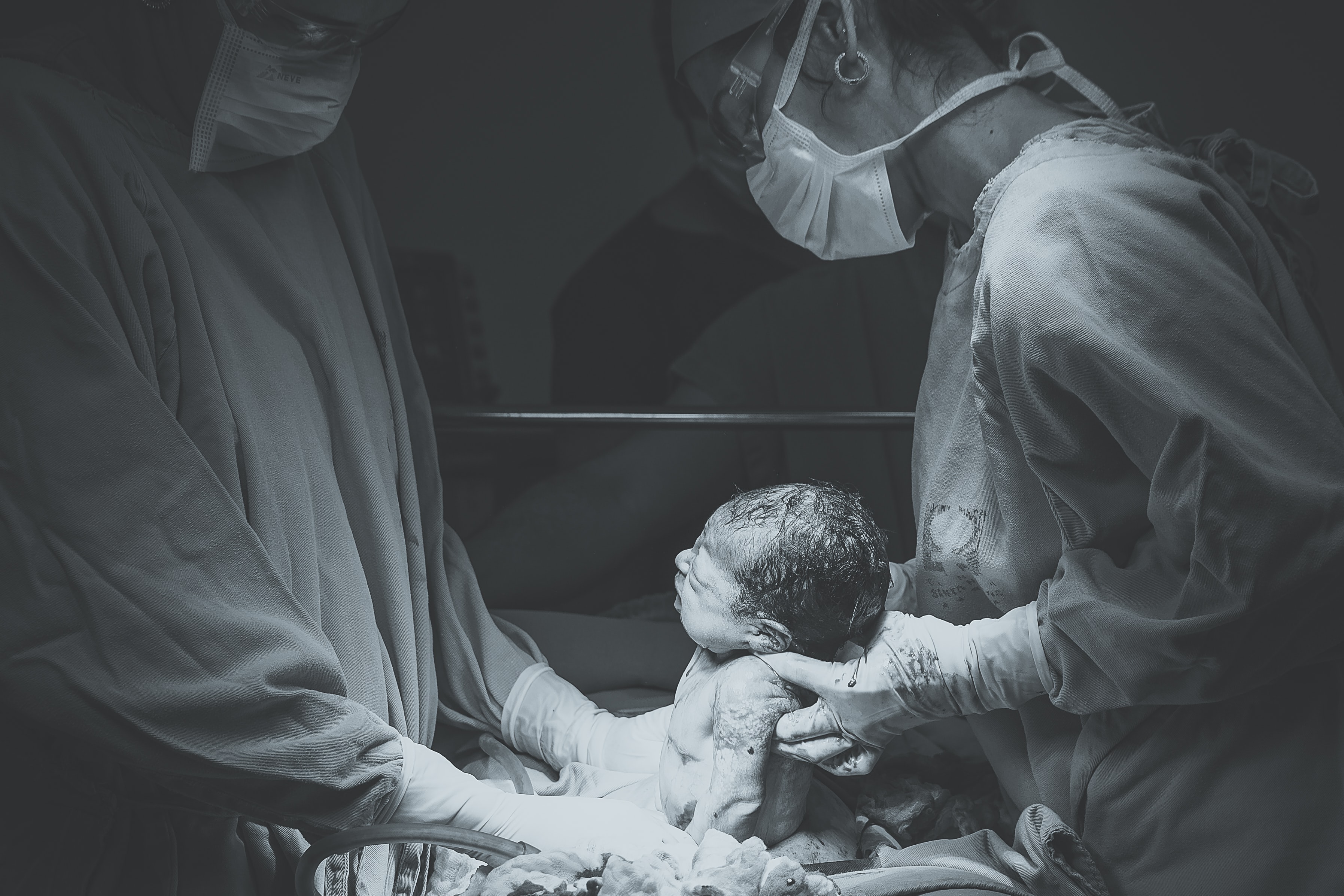
Childbirth is undoubtedly one of the most magical things a person can do. Sharing life is a powerful thing, and it stands to reason that the birth of your child should be planned as such. Birth plans enable you to make yourself as comfortable as possible during an incredibly important medical event – and give you the opportunity to tailor your first hours as a parent. But what should you think about when planning a birth?
The Location
One of the first decisions you’ll need to make is choosing where you would like to give birth. There are a number of options when it comes to birthing location: in a hospital, a birthing centre, or at home. All have their own advantages and disadvantages, which you need to think about carefully before you make a choice.
Hospital births are the most common kind of birth in the UK, and see you transported to the hospital to give birth in a maternity unit. Hospital births give you much more immediate access to medical interventions in case complications occur, and can give you access to modern interventions like epidurals or assisted births.
A home birth can be a magical thing, though, and a much more comfortable overall experience than giving birth in a hospital. You’re giving birth in a familiar place, with creature comforts all around; you’re also not expected to move between home and hospital in the middle of labour, unless major medical intervention is necessary. The risks are higher, but home births may simply be logistically easier for you (especially if you already have children).
You could also opt to go to a birth centre instead. They are usually much less medical than a labour ward, but have quick access to these if necessary. If you are wanting a water birth, or a more calming birth experience, this is a great choice for you.
Pain Relief
While there are some lucky enough to experience minimal discomfort when giving birth, it is overwhelmingly likely that giving birth will be a painful experience for you. It's therefore a good idea to research the pain relief options available to you before you reach your due date. Epidurals are a common modern intervention, that introduces an anaesthetic directly to the nerve clusters in your spine that send pain information to the brain. There are those that might think epidurals too invasive, and would seek instead for a ‘natural’ birth – in which case, breath control and 'hypo-birthing' are commonly-used techniques to control pain and pain response.
Childbirth Risks
As with any medical event, childbirth comes with its own risks – from birthing complications to hospital negligence. Indeed, medical negligence claims relating to orthopaedic surgery make up two-thirds of the NHS’s overall negligence spending, where improper handling of the new-born can leave lasting physical and even mental damage.
You should make sure you understand the various things that could go wrong during childbirth and after, so you can spot any warning signs and advocate for the best possible care. Knowing the signs can also help you with your own medical negligence claims, should you need to seek compensation.
Your Birth Partner
Lastly, a simple but impactful decision. Who will you bring with you into your delivery, whether at home or at hospital? For many, the answer might be as simple as bringing your partner – but for others, the question can be a bit more complex. Figuring this out now can save you unnecessary heartache later on, and ensure you have the right person cheering you through one of the biggest events in your life.
Taking great care of yourself during pregnancy is extremely crucial because you’re now breathing for two! And this is especially necessary for pregnant women who have asthma. Oxygen is needed for both you and your baby to drive their growth. But if your untreated asthma comes in the way, your baby’s oxygen supply could be affected.
Asthma is a chronic lung disease that impacts you and your baby’s health. Getting concerned about your asthma and your baby’s health during pregnancy is normal, but it's a good idea to work with your doctor to manage symptoms and reassure you during this time. If you have great healthcare and online asthma medications for flexibility of medicine delivery, you’re halfway into a safe pregnancy!
Why is Asthma in Pregnancy a Concern?
Not all women undergo pregnancy complications with asthma. However, if the condition goes untreated or you don’t get it under control, there are some risks associated with it, including:
· Foetal growth restriction · C-section birth compulsion · Premature birth · Pregnancy complications because of high blood pressure, organ damage (often targeting the kidneys) · Increased breathing problems in the baby
This doesn’t mean every pregnant asthma patient is at risk. Women who have their asthma under control and take proper care of their health during this vulnerable period are good to go. But it's always good to keep a close eye on your health, even if you think you don't have to worry.
What Causes Asthma Symptoms to Flare Up?
Allergens - People with allergic asthma can experience attacks when they come in contact with allergens such as animal fur, pollens, dust mites, and moulds.
Irritants - Certain items in the environment like smoking cigarettes, wood-burning fireplaces, perfumes, paints, other strong smells, or air pollution can trigger your lungs, causing asthma symptoms.
Infections - Several people with asthma also notice infections like pneumonia, flu or cold trigger their asthma symptoms.
Exercises - Working out during pregnancy is healthy, but people with asthma have to take care of what kind of exercises they perform. If you’re pregnant and notice that certain exercises are setting off your asthma, consult a doctor immediately and stop any exercise until you have your symptoms under control.
Disinfectants - If you've previously noticed flare-ups from disinfectants, stay away from when they’re being used or right after they’ve been used.
How to Control Asthma in Pregnancy?
It’s believed that asthma can change, improve, worsen or stay the same during the entire course of your pregnancy. Hence, to ensure that you survive this period safely, your healthcare professional will work on controlling your asthma symptoms, prevent attacks, and maintain lung function.
Controlling and improving your asthma is important to ensure that your baby receives enough oxygen. Flare-ups or worsening conditions decrease the oxygen supply in the blood. Once this falls, less oxygen reaches your baby – moving to higher chances of poor growth, low birth weight, or premature birth.
Here are a few ways in which you can handle pregnancy with asthma easily:
Regular Prenatal Appointments Your healthcare provider knows what’s best for you and your baby! So never miss a prenatal appointment. Visit them regularly during your pregnancy, and don’t be ashamed of sharing every concerns related to your pregnancy no matter how small - they are there to help.
Keep Monitoring your Asthma Monitoring lungs during asthma is an unmissable part of check-ups. Your healthcare professional will check your lungs and whether your medications need to be changed or adjusted. Don’t forget to mention whether your symptoms have worsened, improved, or stayed the same during the course.
Try to Avoid Asthma Triggers As mentioned above, certain factors like allergens, infections, or irritants can trigger your asthma. If you limit your contact with things that causes a flare up, you can control your asthma symptoms.
Take Medications Many medications like Ventolin asthma inhalers are safe for pregnant patients. Discuss with a doctor and explore other options for pregnancy-safe medications before taking anything though. Equally, don’t stop your asthma medicines that you were taking before pregnancy. Suddenly discontinuing your medicine intake during pregnancy is harmful. So, consult a healthcare provider before you take any steps further!
Will Asthma Affect your Labour?
Rarely does delivery sets off an asthma attack, and continuing your regular medications during labour is recommended. However, if your asthma has become severe, some steroids in the delivery room could be required.
Are Asthma Medications Safe During Breastfeeding?
A low amount of asthma medications gets into your breast milk. However, they are severely low in quantity and are safe for the baby. But keep in mind that high doses of certain medicines may affect the baby by making them irritable. Adjusting some hours can make a difference. So, talk to a doctor and allow your baby to enjoy the health benefits of breastmilk.
This is a collaborative post - Author Bio Krishma Patel Co-founder and the Superintendent Pharmacist at MedsNow, an online pharmacy in the UK that provides health and wellness products and treatments along with free online consultations. She is passionate about showcasing the integral function community pharmacies can play in supporting the healthcare system and the NHS by providing patients with high quality, safe and discreet access to healthcare at their convenience. Along with being the co-founder of MedsNow, Krishma is also the Director and the Superintendent Pharmacist of Enimed Ltd., an independent pharmacy group comprising 32 branches.
When you think about pregnancy and eating, your first thoughts probably go towards crazy cravings and nibbling ginger biscuits to help with morning sickness. But eating a balanced, healthy diet is especially important during pregnancy, as well as following some other changes. In this post I'm going to be sharing 5 ways you can keep healthy during pregnancy.
Eat a Balanced Diet It is completely normal for pregnant women to experience cravings and have aversions to certain foods - I went completely off of certain meats during my third pregnancy with Lilah. But it is still important to maintain a healthy balanced diet alongside these. Make sure to eat enough fruit and vegetables, as well as healthy fats, proteins, carbs, and enough water each day. If you're struggling with breakfast ideas, then why not try Growli Foods, which are rich in vitamins and nutrients ideal for pregnant women.
Take Prenatal Supplements Taking prenatal supplements can boost your health and that of the baby when pregnant. The supplements have crucial vitamins and minerals for the body, including iron, zinc, folic acid, iodine, calcium, and vitamin D. Make sure to consult your midwife before taking any supplements to make sure you're taking the right combination for you.
Avoid Specific Foods Although a balanced diet is essential, when pregnant there are certain foods that you should avoid. Foods such as soft cheese, unpasteurised milk, raw eggs, sushi, liver, or raw meat should be avoided. You also need to limit the amount of oily fish you consume as these contain a high level of mercury. Remember that rules and advice does change regularly though, so it's always best to check what isn't recommend often.
Don't Smoke or Drink While you may be a smoker or love to drink alcohol often, the behaviour poses a significant risk to you and the unborn baby. Smoking increases the risk of premature birth, sudden infant death syndrome (SIDS), miscarriage, and other severe conditions. On the other hand, alcohol increases the chances of a baby having fetal alcohol spectrum disorder (FASD) when consumed during pregnancy. To be safe it's best just to avoid both alcohol and smoking during pregnancy.
Stay Hydrated Drinking plenty of fluids while pregnant is incredibly important for your health. It is advised to consume 6 to 8 glasses daily to hydrate the body (and this also helps with other pregnancy issues such as constipation and headaches). Make sure to limit your caffeine intake to 1-2 cups a day - or switch to non caffeinated versions of drinks altogether if you prefer.
With our youngest child Lilah being over 3 years old, pregnancy and all of it's ups and downs seems like a lifetime ago now. All three of my pregnancies were completely different experiences for me, yet there were many similarities throughout all of them, and even with my third pregnancy there were things I was so shocked about! So here are 5 things that I wish I had known before pregnancy.
How Long the First Trimester Can Feel
There is nothing quite as magical as seeing those first lines (or the words 'pregnant') appearing on a pregnancy test. But like many other pregnant couples, Jack and I decided to keep our pregnancies secret until we had our first scan around 12 weeks. But what no one talks about it just how long that first trimester feels! Feeling those rubbishy symptoms, not knowing what's going on, and then having no-one to share it with can make those weeks feel like months. I found it helpful to join pregnancy forums with other expectant mums due around the same time. Or even more helpful could be to share your wonderful news with your closest friends or family.
'Morning' Sickness isn't the only Symptom of Pregnancy
Growing up and watching films you get sold this idea that morning sickness (which only occurs very early in the morning of course) is one of the only 'big' pregnancy symptoms. So when I did get pregnant and didn't experience sickness I was shocked. I was then especially shocked when I started experience other unenjoyable symptoms. Trapped wind, sciatic pain, aversions to smells... and that was just during the first trimester!
How Anxious you'll Feel Before Every Scan
I think I actually felt more anxious before my 12 week scan with Lilah than I did with Indiana - and she was the third. But I honestly just don't feel as if those nerves ever go away until your baby is in your arms. It's completely normal to worry, but remember it's important to talk about how you're feeling if you think you're worrying more than normal. We paid for early reassurance scans with Lilah around 7 weeks, which did also help with the worry (but also expensive, so I know these aren't available to everyone).
How Important Pregnancy Vitamins Are
Of course the most important thing during pregnancy is to make sure you're eating a healthy and varied diet, as this will help you to get most of the vitamins and minerals you need. However it's also recommended to take a folic acid and vitamin D supplement during pregnancy.
Feel Pregnancy supplements are Mumsnet rated and have been launched as a 100% natural pregnancy and breastfeeding supplement. Taken twice a day they provide 100% of the daily recommended intake of folic acid, vitamin D3, iron, zinc and everything you need to support healthy pregnancy. During pregnancy they can assist with fertility and foetal development, they can also help to reduce nausea and improve overall health and energy levels. Plus you can continue to take Feel Pregnancy supplements postnatally too, as they will help support breastmilk quality and production.
Three babies later I am still completely guilty of buying too much during pregnancy, but the reality is that babies really don't need that much stuff. As long as you have somewhere warm and snug for them to sleep (a basic moses basket will do for the first 6 months), food for them to eat and cosy vests and sleepsuits for them to wear (and then you'll only need up to 12 in each size), all of the fancy baby gear can wait. None of mine ever liked a swing, and all of those fancy outfits and shoes were hardly worn. Wait until your baby is born and you get to know what they like before you spend lots of money!
If you are currently pregnant or planning to start or expand your family soon, then I can imagine you have even more questions than usual right now. Advice and guidelines changed a lot between my three pregnancies as it is, and that was without a global pandemic to contend with. GP and new mum herself, Dr Stephanie Ooi wants to help with these worries, and has answered some of the most frequent questions regarding motherhood during the Coronavirus pandemic, which I am going to share in this post.
“We are in the midst of an uncertain worrying time and it is very understandable to have lots of questions especially if you are pregnant. I can sympathise as I have recently given birth to my second daughter so have been through it!
Do I need to be self-isolating if I am pregnant at the moment?
There isn't an absolute need to self-isolate. Pregnant women fall into the vulnerable category in the UK. The current guidance is that pregnant women should be adhering to strict social distancing rules - so only leaving the house for certain essential trips and remaining 2 metres from others when out. In general it is about minimising the risk to yourself as much as possible but also balancing this with managing your mental and physical health. Being able to go out for a walk can be very helpful during pregnancy as well. Of course, if you choose to self-isolate then this is absolutely fine too. It’s a tricky situation so I urge you to do what makes you feel comfortable.
I am feeling quite anxious about labour. What can I do to help?
It is very normal and understandable to feel anxious about labour in general, let alone in the current situation. My advice would be to try and focus on the things within your control and empower yourself with knowledge. I would advise to read information from trusted official resources such as the Royal College of Obstetricians and the NHS website. Both have excellent informative websites. Given the current situation, it will also be helpful to be aware of any changes made in the unit you will be giving birth so you are aware of what to expect. For example - are birthing partners allowed and when can they be present? You can find out this information by having a chat with your midwife.
I would also recommend looking into hypnobirthing - a technique that can be used during labour but also will be really helpful in the run up as you practice more and more. It consists of relaxation tools and positive affirmations which can be so helpful.
Is it advisable to wear gloves when you give birth in hospital?
It’s not essential and with gloves, there is actually an increased risk of cross contamination if you wear them the whole time. The best thing is to make sure you wash your hands frequently. In labour you may find it easier to use alcohol hand gel though (this must be at least 60% alcohol to be effective). I also have been quite hot during both labours so gloves may make things worse! A time where you might consider wearing gloves is for specific periods of time e.g. when going from the hospital entrance to the ward. You will have to open doors/press buttons BUT you must still be aware not to touch your face or phone and to remove them on arrival in labour ward and still wash your hands.
I’m unsure how many days I should pack for and what I need in my hospital bag?
If you have a fairly smooth birth, you may be discharged a bit earlier. Hospitals will be looking to discharge people home given the current situation if all is ok and you are happy. Pack for a few days. If you need more items then someone can drop them to the ward for you (but will not be able to come in) or the ward will have most essentials!
Some of my hospital bag essentials are: • Lip balm – my lips have been super dry each time because of the gas and air • Portable speaker – I found making my own playlist so helpful both times in terms of helping me to feel more relaxed • Headphones – to listen to hypnobirthing tracks • Phone charger • Multi-Mam breastfeeding compresses and Multi-Gyn maternity compresses – designed to provide soothing relief to any sore nipples if you plan to breastfeed and soothe perineal/vulval discomfort following a vaginal delivery. • A few treats for afterwards like your favourite face cream – I found it so familiar and restorative! • Clothing/bras that are easy to breastfeed in if you plan to
Is it ok to have my parents come visit when the baby is born if they have been in quarantine?
Unfortunately in the current restrictions, visitors coming to your home is not allowed. Even if they have been isolating, you have also returned from hospital so there is a potential risk there. It is a very difficult time and I completely empathise. All I want is for my family to come over and hold the little one but sadly it will have to wait. At the moment, you could consider a socially distanced walk with one relative but physical contact would not be allowed.
Obviously there may be some circumstances where someone coming to the house is necessary but this would be my general advice.
With not many baby clinics should we be weighing our own newborns and how?
Visits from health visitors and midwives once you are back home will vary across the country. Some will be conducting home visits but calling the day before to screen for any symptoms and they will most likely arrive in protective gear too (apron, mask, gloves). Some may offer appointments either by phone or using video conference calls. I think we have to be cautious about buying scales for the home as sometimes it can cause more anxiety. If you are concerned about your newborn’s weight, contact your health visitor who can invite you into a clinic.
What can we expect with the postnatal checks during this time?
It is important to remember there are 2 checks at 6-8 weeks - one for you and one for baby. I would check with your GP surgery and see what they are doing at this time. For baby, some surgeries are combining the 8 week vaccinations with a check up. It is important not to forget about your own physical and mental health too. As new parents, we can find that the focus is on the baby but if there is any aspect of your recovery or wellbeing that you are concerned about, please seek advice from your GP.
Hopefully this post has been helpful and answered some of the questions you had. If you are still unsure the best thing to do is to contact your midwife, and find out the advice for your personal circumstances. Good luck!